
Dog Care Tips You Can Trust
Simple routines to spot problems early and support your dog’s health throughout their life
Learn how to spot issues early, build a reliable care routine, and take care of your dog’s health, teeth, skin, paws, and more — all in one place.
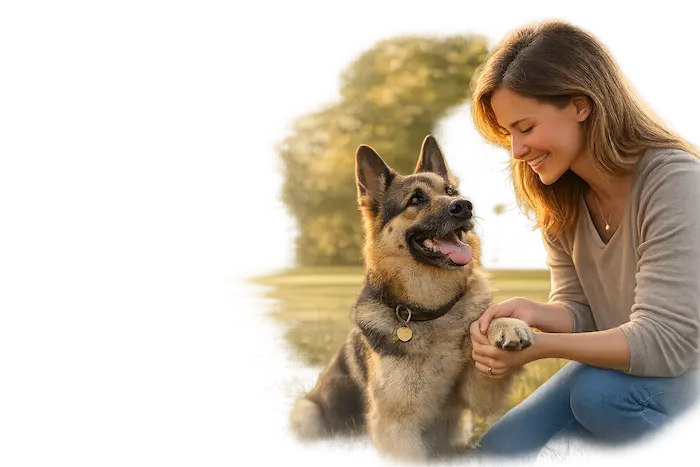
Everyday Dog Care Tips That Make a Difference
Taking care of your dog doesn’t have to be complicated. Start with a few simple routines, get to know what’s normal for your dog, and you’ll be much more likely to notice when something changes.

Older Dog Care
Help your older dog stay comfortable, active, and healthy as their needs change.
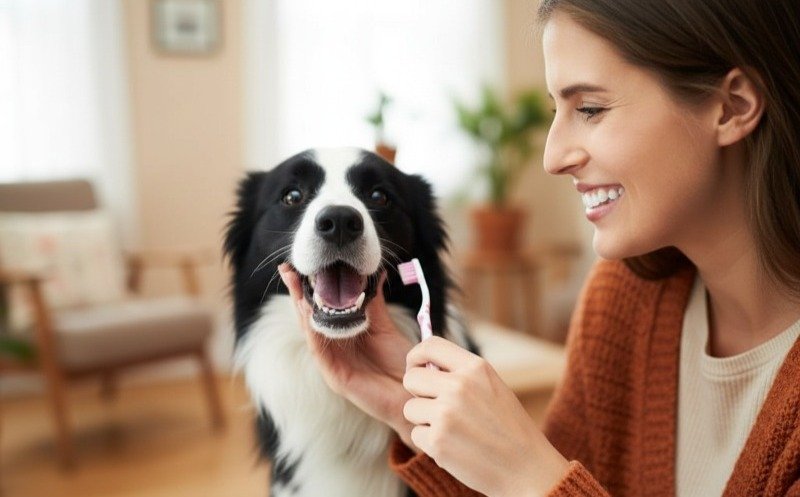
Dog Teeth Care
Learn how to care for your dog’s teeth and gums, spot common dental problems, and know when to see your vet.

Dog Paw Care
Learn how to care for your dog’s paws, protect them from everyday wear and injury, and spot problems early.
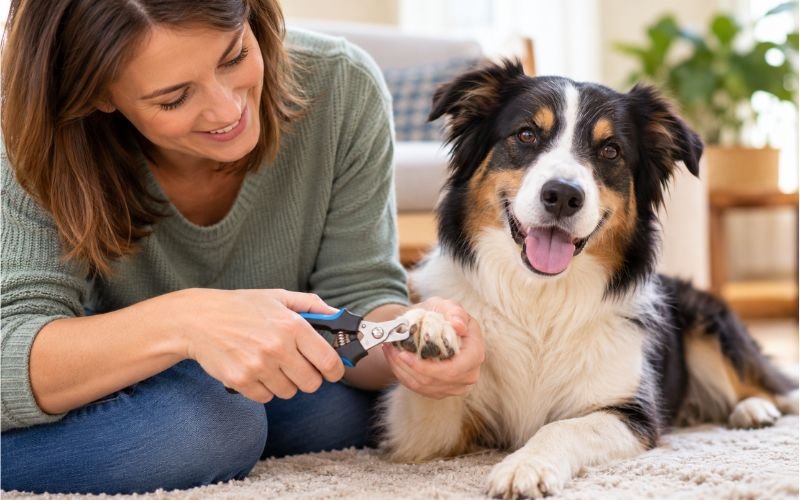
Trimming Your Dog’s Nails
Learn how to trim your dog’s nails safely and make nail care less stressful for you both.
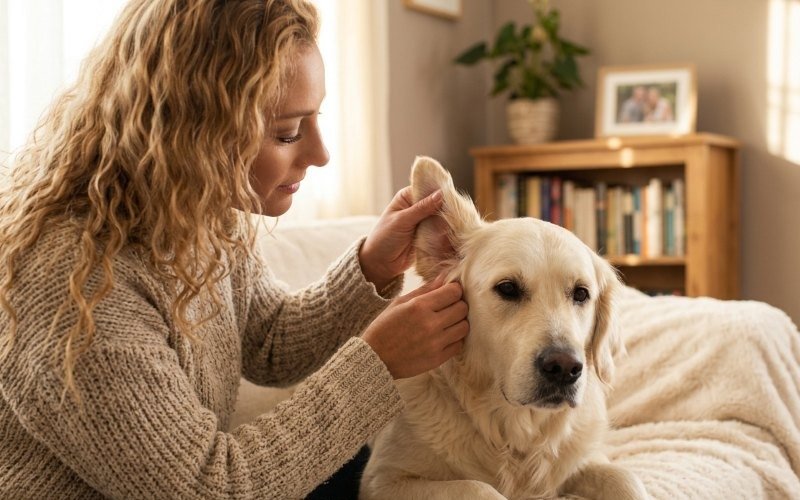
Dog Ear Care
Learn how to check and clean your dog’s ears, and spot signs of common ear problems.
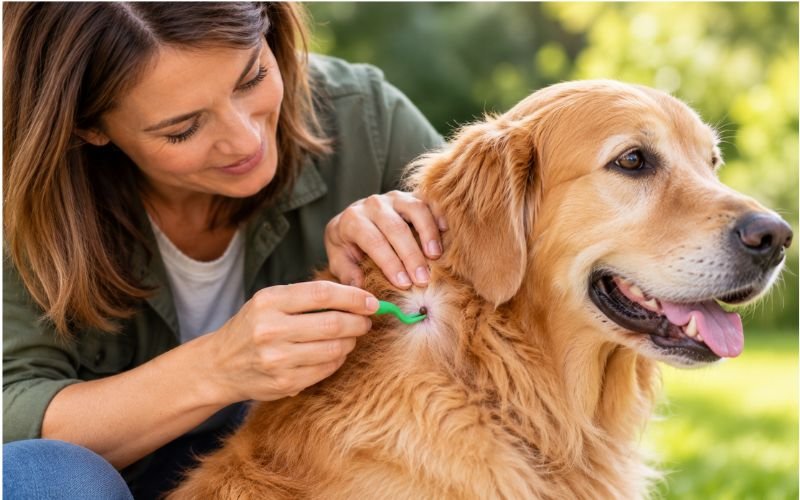
Dog Tick Removal
Learn how to remove a tick safely, check that it’s completely removed, and know what to watch for afterward.
Build a Simple Dog Care Routine
One thing I’ve learned over the years is that good dog care is much easier when it becomes part of your routine. You don’t need to inspect your dog from nose to tail every day — just get into the habit of noticing what’s normal, so you’re more likely to spot when something changes.
Here’s a simple routine to help you remember the basics. Your dog’s age, health, coat, lifestyle and where you live will affect how often some jobs need doing, so use this as a guide rather than a rigid schedule.
| Every Day | Regularly | As Needed | With Your Vet |
|---|---|---|---|
|
|
|
|
When to Treat at Home — and When to See a Vet
A lot of routine dog care can be handled at home — brushing teeth, checking paws, grooming, cleaning ears when needed, and keeping an eye out for anything unusual. The important part is knowing when you’re dealing with everyday care and when your dog needs professional help.
Some problems depend on the circumstances. Dog diarrhea, for example, may be mild and short-lived, but sometimes needs veterinary attention. Our guide explains what to watch for and when to call your vet.
These dog care tips are here to help you notice problems sooner and take better care of your dog at home — not to replace your veterinarian.
When to call your vet
Call your vet if your dog is in pain, seems very unwell, has trouble breathing, collapses or can’t stand, has persistent or worsening symptoms, or you simply aren’t sure what’s wrong. Sudden changes in appetite, energy, behaviour or bathroom habits can also be signs that something needs attention.
Why Regular Dog Care Matters
Don’t you sometimes wish your dog came with a handbook? Even one that just covered the basics? The trouble is, our dogs can’t tell us when something feels different, so a big part of caring for them is learning what’s normal for your dog.
That’s where a regular care routine really helps. Checking their paws, ears, teeth, skin and coat gives you a chance to notice changes you might otherwise miss. And the more familiar you are with your dog, the easier it becomes to recognise when something isn’t quite right.
I’ve learned over the years that dog care doesn’t have to be complicated. A few good habits, a little observation and knowing when to ask your vet for help can go a long way. Think of it as getting to know your dog from ears to paws.