
Dog Diarrhea: What to Do and When to Call the Vet
Is it an upset tummy you can manage at home—or something that needs veterinary attention?
Dog diarrhea is something most of us have to deal with sooner or later, and it’s no fun for you or your dog. The good news is that many mild cases settle quickly—but first, you need to know when it’s safe to manage things at home and when your dog needs veterinary care.
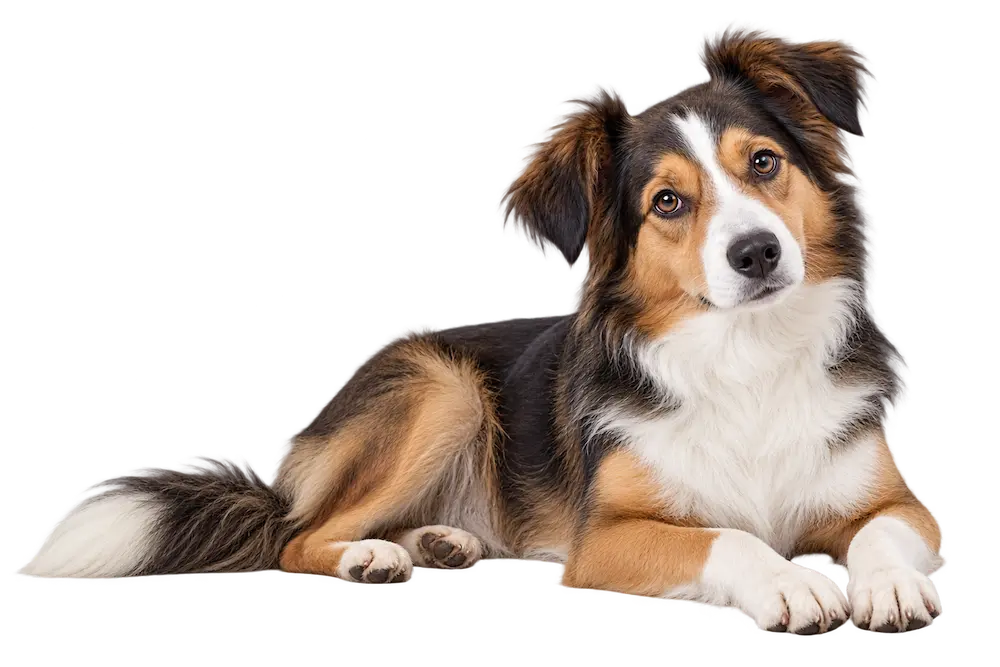
When Does Dog Diarrhea Need a Vet?
Most dogs will have an occasional bout of diarrhea, and if your dog is otherwise bright, eating, drinking and acting normally, a mild episode may settle on its own.
But diarrhea can also be a sign that something more serious is going on.
Call your vet if you notice any of the following:
- Blood in the stool, or stool that looks black and tarry
- Vomiting along with the diarrhea
- Lethargy, weakness or your dog just seems unusually unwell
- Loss of appetite or refusal to drink
- Signs of abdominal pain or a swollen belly
- Frequent or severe watery diarrhea
- Signs of dehydration
- Diarrhea that isn’t improving within about 48 hours
- You think your dog may have eaten something toxic or swallowed a foreign object
Be extra cautious with puppies, senior dogs and dogs with an existing health condition. They may need veterinary attention sooner rather than later.
Not sure? Call your vet. You don’t have to work out what’s causing the diarrhea yourself. Tell them what you’re seeing and let them help you decide whether your dog needs to be examined.
What Causes Diarrhea in Dogs?
Sometimes the cause is fairly straightforward. Your dog raids the trash, gets a few too many treats, or you change their food—and their stomach lets you know exactly what it thinks about that!
Common causes of dog diarrhea include:
Diarrhea can also be associated with more serious problems, including inflammation of the digestive tract, pancreatitis, certain diseases affecting other organs, toxins, intestinal blockages and some cancers.
That’s why it’s useful to think of diarrhea as a symptom rather than a disease in itself. What matters isn’t just the consistency of your dog’s poop, but how your dog is behaving, how long the diarrhea lasts and whether there are any of the warning signs we covered above.
Keep Your Dog Hydrated
Diarrhea causes your dog to lose more water than usual, so keeping an eye on hydration is important. The risk increases if your dog is also vomiting or isn’t drinking normally.
For a dog with mild diarrhea who is otherwise well, keep fresh, clean water available at all times and let your dog drink. Cornell and VCA both currently recommend ready access to fresh water for dogs with diarrhea.
Watch for Signs of Dehydration
Pay attention to how much your dog is drinking and how they’re behaving. If they’re becoming weak or lethargic, won’t drink, are vomiting and unable to keep water down, or simply seem increasingly unwell, contact your vet rather than continuing to manage the diarrhea at home.
Diarrhea can cause dehydration and electrolyte imbalances, and vomiting at the same time can speed up that fluid loss. More significant dehydration may require fluids from a veterinarian.
A simple rule: Diarrhea in an otherwise bright, drinking dog is very different from diarrhea in a dog who won’t drink or is becoming weak and miserable.
What Should You Feed a Dog With Diarrhea?
If your dog has mild diarrhea but is otherwise feeling well and isn’t vomiting, you don’t necessarily need to stop feeding them.
Instead, offer small meals of an easily digestible, bland food. A veterinary gastrointestinal diet is a good option if you have one available, or your vet may recommend a short-term homemade bland diet.
Should You Fast a Dog With Diarrhea?
This advice has changed over the years. It used to be common to withhold food to give the digestive system a “rest,” and you’ll still find fasting recommended in some circumstances.
However, I wouldn’t routinely fast a dog just because they have diarrhea. Current veterinary nutrition guidance recognizes that the gut needs nutrients while it recovers. There are situations where your vet may recommend a short fast—particularly when vomiting is involved—but that’s different from automatically withholding food from every dog with diarrhea.
Puppies, senior dogs and dogs with existing medical conditions deserve particular caution, so check with your vet before withholding their food.
Why I Used a Homemade Bland Diet for Ava
My German Shepherd, Ava, had an incredibly sensitive stomach and unfortunately diarrhea was something we dealt with more often than I would have liked!
My vet did have a canned prescription bland diet that we could use when her stomach was playing up. There was just one problem — Ava absolutely refused to eat it. And I mean would not touch it.
That’s how I ended up making her a simple homemade bland diet instead. Chicken and rice became my go-to when Ava had one of her stomach upsets because it was something she would actually eat, and I could keep it very plain while her tummy settled down.
That doesn’t mean a homemade diet is better than a veterinary gastrointestinal diet. If your dog will happily eat the diet your vet recommends, great! This was simply what worked for Ava when the prescription option wasn’t getting past her nose.
A Simple Homemade Bland Diet
For a short-lived, uncomplicated bout of diarrhea, one familiar option is plain boiled skinless chicken and cooked white rice. This is the simple combination I used for Ava when her stomach was upset.
Simple Chicken & Rice Bland Diet
The simple homemade version I used when Ava's stomach was upset.
You'll need:
- Skinless, boneless chicken
- Plain white rice
- Water for cooking
How to prepare it:
- Boil the chicken until thoroughly cooked.
- Cook the white rice until soft.
- Shred the chicken and remove any visible fat.
- Allow everything to cool before serving.
- Serve plain — no oil, butter, seasoning or sauces.
If your dog tolerates the first small portion and the diarrhea is improving, you can gradually increase the amount. Smaller, more frequent meals are generally easier on an upset digestive system than one large meal.
Bland diets are temporary. Homemade chicken and rice isn’t nutritionally complete and shouldn’t become your dog’s long-term diet. If your dog repeatedly needs a bland diet or the diarrhea keeps returning, that’s something to discuss with your vet.
How to Transition Back to Your Dog’s Normal Food
Once your dog’s stools are returning to normal and they’re feeling like themselves again, don’t rush straight back to a full bowl of their regular food. A sudden change can upset the digestive system all over again.
Instead, gradually replace the bland diet with your dog’s normal food.
A Typical Transition
Step 1
25% Regular food 75% Bland diet
Step 2
50% Regular food 50% Bland diet
Step 3
75% Regular food 25% Bland diet
Step 4
100% Regular food
There’s no need to race through the steps. If your dog’s stools start becoming loose again, slow things down and speak to your vet if the diarrhea returns or doesn’t settle.
VCA currently says dogs recovering from simple diarrhea can generally transition back over about 7–10 days, while Cornell notes that dogs with sensitive stomachs may need a longer, more gradual transition. Rather than rushing through each step on a rigid schedule, let your dog’s response help determine the pace.
Ava Needed a Much Slower Transition
Ava was definitely not a dog I could rush through this process. With her sensitive stomach, moving back to her normal food too quickly could put us right back where we started.
I found that taking things much more slowly worked better for her. Instead of thinking in terms of a few days, I would stretch the transition out and increase her regular food little by little, watching her stools as we went.
That’s one of the things Ava taught me about sensitive stomachs: a feeding schedule can be a useful guide, but the dog in front of you doesn’t always follow the schedule!
Can Probiotics Help a Dog With Diarrhea?
Probiotics contain live microorganisms intended to support the healthy bacteria living in your dog’s digestive system. Your vet may recommend a canine probiotic as part of managing diarrhea, particularly when the normal balance of gut bacteria has been disrupted.
They’re not all the same, though. Different products contain different strains and amounts of bacteria, and the evidence for how well individual probiotics work varies. That’s why I’d choose a probiotic made specifically for dogs and, particularly if your dog is unwell or taking medication, ask your vet which product is appropriate.
What about probiotics and antibiotics?
Antibiotics can reduce the effectiveness of probiotics, so if your dog has been prescribed an antibiotic, ask your vet how they want you to give the two products rather than simply assuming they should be given together or a particular number of hours apart.
What Can Your Dog’s Poop Tell You?
It may not be the most pleasant job, but taking a good look at your dog’s poop can give you—and your vet—some useful clues about what’s going on.
Pay attention to how watery the diarrhea is, its color, whether you can see blood or mucus, and how often your dog needs to go. It’s also worth noticing whether they’re passing large amounts or repeatedly straining to pass small amounts.
Changes You Shouldn't Ignore
| What you notice | What to do |
|---|---|
| Fresh red blood | A small streak can have several causes, but more than a small amount, repeated bloody diarrhea, or blood with other symptoms warrants veterinary advice. |
| Black, tarry stool | Contact your vet. Black, tar-like stool can indicate digested blood from higher in the digestive tract. |
| Lots of mucus | Mucus can occur when the colon is irritated. If it keeps happening or comes with other symptoms, speak to your vet. |
| Very watery or frequent diarrhea | Watch particularly closely for dehydration and worsening symptoms. |
| Repeated straining with small amounts | Make a note of it and tell your vet, especially if it continues or your dog seems uncomfortable. |
Take a photo before you clean up. If you end up calling your vet, a quick photo of the stool can be surprisingly useful—especially if its color or appearance changes before your dog is examined.
What Happens If Your Dog Needs the Vet?
If your dog’s diarrhea isn’t settling, keeps coming back, or you’ve noticed one of the warning signs we covered earlier, your vet will want to work out what’s causing it rather than simply treating the diarrhea itself.
You’ll probably be asked questions about when the diarrhea started, how often your dog is going, what the stool looks like, whether they’re eating and drinking normally, and whether there has been any vomiting or change in behavior.
Also mention anything unusual your dog may have eaten, a recent change of food, new treats or medications, possible access to garbage or toxins, and any recent stressful events.
Should You Take a Stool Sample?
If you can, it’s useful to take a fresh stool sample with you. Your vet may want to test it for intestinal parasites or other possible causes of the diarrhea.
Place a small sample in a clean, sealed container or bag. If you’re unsure whether your vet wants one—or how fresh they need it to be—give the clinic a quick call before your appointment.
And remember that photo we suggested earlier? Keep that too. A photo can show your vet what the diarrhea looked like even if the sample you manage to collect looks different.
Before You Go
- Note when the diarrhea started
- Note how frequently your dog is going
- Bring a fresh stool sample if your vet requests one
- Take a photo if possible
- Make a note of vomiting or other symptoms
- Tell your vet about diet changes, medications or anything unusual your dog may have eaten
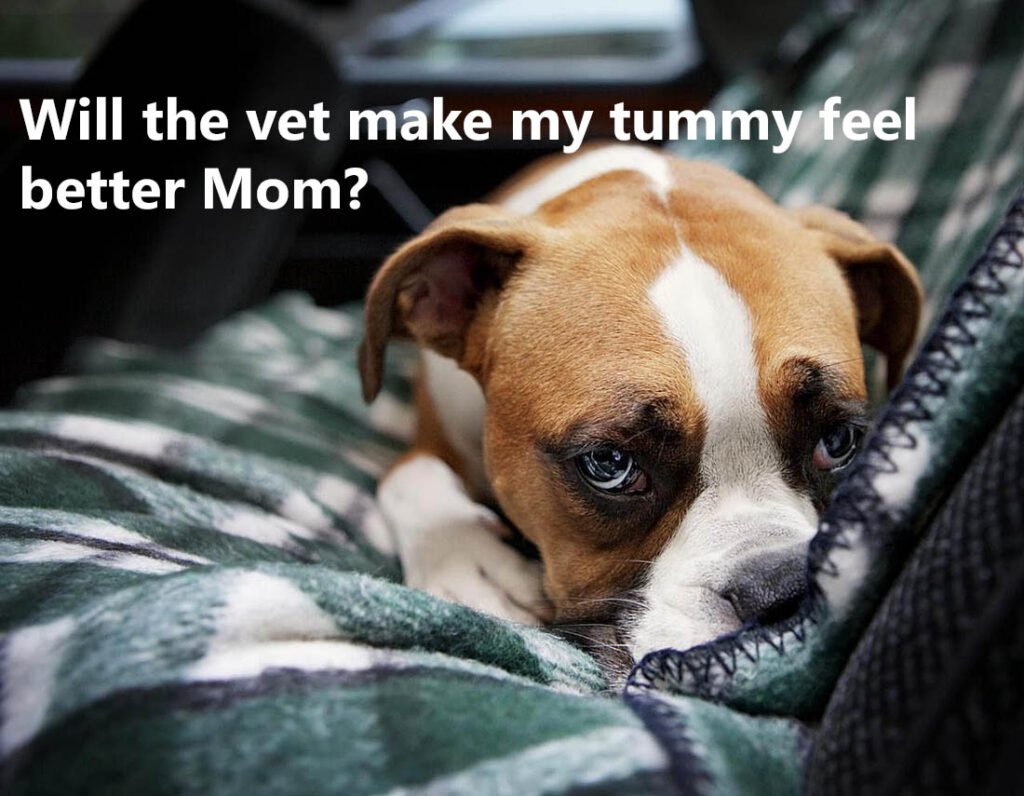
What Tests Might Your Vet Do?
This depends on your dog’s symptoms and how long the problem has been going on. After examining your dog, your vet may recommend tests such as a fecal test, bloodwork or, in some cases, X-rays or ultrasound.
The important point for the reader is that not every dog with diarrhea needs all of these tests. The vet uses your dog’s history, examination and symptoms to decide what—if anything—needs investigating further.
What If Your Dog Keeps Getting Diarrhea?
An occasional upset stomach is one thing. If your dog keeps getting diarrhea, even if each episode clears up fairly quickly, it’s worth talking to your vet about it.
Recurring diarrhea can have many possible causes, including parasites, food sensitivities, ongoing digestive problems or other underlying health conditions. Keeping a simple record of when it happens can sometimes help you and your vet spot a pattern.
You might make a note of:
- 🥣 What your dog ate in the day or two beforehand
- 🦴 Any new treats, chews or table scraps
- 🔄 Any changes in food
- 💊 Medications or supplements
- ⚡ Stressful or unusual events
- 📝 What the stool looked like and how long the episode lasted
A Few Ways to Reduce the Risk
You can’t prevent every bout of diarrhea—especially if your dog considers the trash can an all-you-can-eat buffet! But you can reduce some common triggers.
Introduce new foods gradually, avoid sudden diet changes, be careful with rich or unfamiliar treats, and do what you can to prevent scavenging. Keeping up with the parasite-prevention and veterinary care recommended for your dog is important too.
If diarrhea has become a regular occurrence, don’t just keep reaching for the bland diet. Repeated episodes deserve a conversation with your vet, even if your dog seems perfectly well between them.
Dog Diarrhea FAQs
How long does dog diarrhea usually last?
A mild bout of diarrhea in an otherwise healthy dog may clear up within a day or two. If it isn’t improving after about 48 hours, keeps returning, or your dog develops other symptoms such as vomiting, lethargy or loss of appetite, contact your vet.
Should I feed my dog if they have diarrhea?
If your dog has mild diarrhea, is otherwise well and isn’t vomiting, you don’t necessarily need to withhold food. Small amounts of an easily digestible food may be appropriate. If your dog is vomiting, seems unwell or has other health problems, ask your vet for advice.
Is chicken and rice good for dogs with diarrhea?
Plain, thoroughly cooked skinless chicken and white rice can be used as a short-term bland diet for some dogs with mild diarrhea. It isn’t nutritionally complete, though, so it shouldn’t replace your dog’s normal balanced diet long term.
What does blood in dog diarrhea mean?
Fresh red blood can occur when the lower digestive tract is irritated, but bloody diarrhea can also accompany more serious problems. Contact your vet if there’s more than a small streak, the bleeding continues, or your dog has other symptoms.
Black, tarry stool is different and can indicate digested blood, so contact your vet promptly if you see it.
Can I give my dog human anti-diarrhea medicine?
Don’t give your dog human anti-diarrhea medication unless your veterinarian tells you to. Some medications may be inappropriate or unsafe for particular dogs and can also mask symptoms your vet needs to assess.
When should I worry about my dog's diarrhea?
Seek veterinary advice if the diarrhea is severe or persistent, contains significant blood or appears black and tarry, or is accompanied by vomiting, weakness, lethargy, pain, loss of appetite or problems drinking. Suspected poisoning or swallowing a foreign object also needs prompt veterinary attention.
Puppies, senior dogs and dogs with existing health conditions may need veterinary attention sooner.
The Bottom Line on Dog Diarrhea
Dog diarrhea is never pleasant to deal with, but an occasional mild upset in a dog who is otherwise happy, drinking and behaving normally will often settle with a little time and some gentle care.
The important thing is knowing when home care is reasonable and when it isn’t. Keep an eye on your dog as well as their poop, make sure they have access to fresh water, and don’t hesitate to call your vet if something doesn’t feel right or the diarrhea isn’t improving.
And if you find yourself cooking chicken and rice at some ridiculous hour of the day, wondering how your life came to this… I’ve been there too. Ava certainly gave me plenty of practice!
Looking after your dog’s digestive health is just one part of keeping them happy and well. You’ll find more practical advice in my Dog Care Tips.
References
Cornell University College of Veterinary Medicine. Diarrhea: Worry or Wait? Cornell University College of Veterinary Medicine – Diarrhea
VCA Animal Hospitals. Diarrhea in Dogs. VCA Animal Hospitals – Diarrhea in Dogs
PetMD. What to Feed a Dog With Diarrhea. Reviewed by Barri J. Morrison, DVM. PetMD – What to Feed a Dog With Diarrhea
PetMD. How a Bland Diet for Dogs Helps With Stomach Upset. Reviewed by Veronica Higgs, DVM. PetMD – Bland Diet for Dogs
PetMD. Dog Diarrhea. PetMD – Dog Diarrhea